Search Results
73 results found with an empty search
- Building a Network of Support
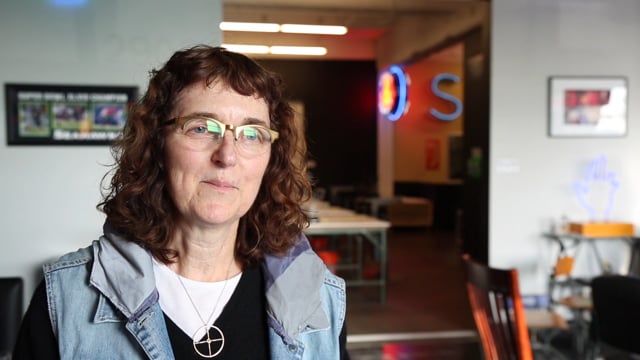
Artist Margie Livingston shares how she has intentionally cultivated a network of artists that she depends on for support.
- Finding a Day Job that Is Supportive of Being an Artist
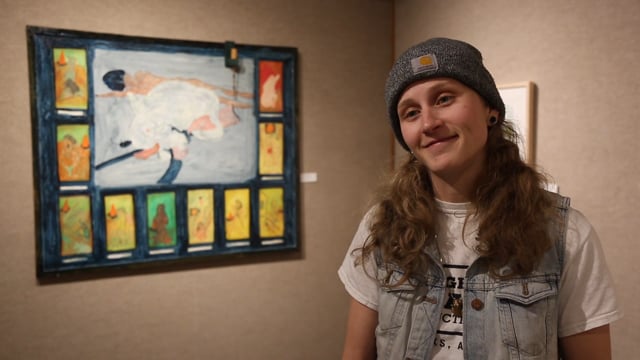
Artist Tamara Wilson describes how her relationship with money has evolved over time and different strategies she has tried for creating sustainability
- Knowing What a Life as an Artist Can Look Like
Diane Scott shares her first-hand experience with the importance of showing artists real examples of what making a life as an artist can actually look like to inspire them to imagine their own futures.
- Knowing When It’s Not Right
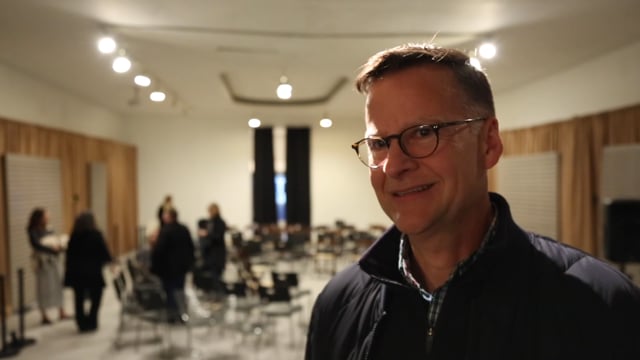
Artist Tim Nolan describes trusting your gut and turning down opportunities that aren’t a good fit.
- Commitment to Organization-wide Racial Equity
Artist Trust exists to bolster the work of all artists throughout Washington State. Ensuring artists of all backgrounds and identities are included in our cultural narrative is central to having an accurate and fair depiction of our society. Artist Trust recognizes and is committed to addressing historical and ongoing disparities in access to institutional funding, recognition, business practices, and job opportunities. Our Equity statement is a part of our Who We Are page on our website and shares more about the concept of racial equity and shifting paradigms, as well as detailing what Artist Trust has done, is doing, and will continue to do as we work to develop strategies for addressing socio-cultural and economic barriers for artists at all intersections of identities. HTTP://ARTISTTRUST.ORG/INDEX.PHP/ABOUT/EQUITY
- Spotting Signs of Imbalance
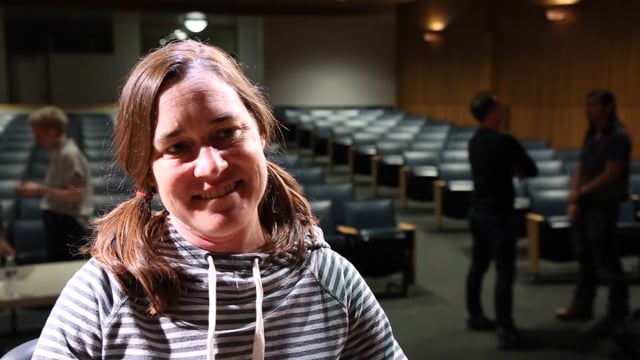
Artist Amy Johnson describes how she listens to her needs and identifies signs that she’s getting out of balance.
- Fostering an Expansive and Consequential Conversation
Helen Kauder, former Executive Director of Artspace, shares a story where the organization supported an artist's work on racial bias in the criminal justice system by expanding the framework for the conversation and including a broad range of constituents.
- Struggling to Help Artists Survive and Thrive in Place
Robert Gipe, Appalachian Program Director for the Southeast Kentucky Community & Technical College, shares experiences with community based arts projects as well as the challenge of creating opportunities for young people who want to stay and thrive as artists in their hometown.
- Racial Equity in Arts Philanthropy
Grantmakers in the Arts recognizes that our society is challenged to overcome a complex web of inequities– racism, sexism, homophobia, classism, and ableism among them. All of these forms of discrimination are powerful drivers of unequal individual and group outcomes. However, it is our belief that ALAANA (African, Latino/a, Asian, Arab, and Native American) individuals whose identities intersect with those of other “minority” social statuses often experience compounded mistreatment that is amplified by the interaction of race. With our assessment that racism is one of the most pressing issues of our time, our current priority is working against racism by working toward racial equity in arts philanthropy. As such, the Grantmakers in the Arts' board of directors developed this statement of purpose for their work in racial equity in arts philanthropy with a goal to increase arts funding for ALAANA artists, arts organizations, children, and adults. http://www.giarts.org/racial-equity-arts-philanthropy-statement-purpose
- Changing Perceptions
Artists who we invite to co-present workshops, convenings and meet & greet encounters are continually surprised when we mention that we will be remunerating their services through AZ ArtWorker. I seem to encounter the general perception that artists and culture-workers are lucky to be in these roles; therefore, we need not remunerate their work when it is not a tangible thing that we can touch and admire. It has been most rewarding to treat local Arizona artists with the same degree of thoughtfulness and respect and financial support that we offer our national and international artistic partners. Changing and engaging in conversations around money and fair compensation of intangible creative work has been an unexpected and welcome part of the work the initiative is undertaking.
- Staff Retreats for Reflection and Strategic Development
Chicago Artists Coalition has initiated a series of internal staff retreats, each fostering a collaborative space and time for reflection and strategic development. Over a potluck lunch, staff members think through how to innovate within preexisting programs, explore new opportunities and partnerships across sectors and within the arts community, overcome obstacles, and ensure that we affirm the organization's mission in all aspects of our work. Maintaining this ongoing internal conversation and its documentation (often on the office walls) provides an readily available reference point for all staff members in both day-to-day operations, programmatic development, and evaluation.
- I Won't Waste Any More Days of My Life
by Ted Gillespie www.tedagillespie.art As a husband and a breadwinner, my art always took a backseat to life’s responsibilities. Today at 61, I can truly call myself an artist and love going to my studio every day. Throughout my life, I felt compelled to create art, but always felt I had to put other obligations first. I was unhappy going from job to job, went through two divorces, lost everything more than once and was suicidal at one point. No one took my art seriously, not even me, but I kept painting. A turning point for me was when a therapist asked “why don’t you paint what you want instead of what’s expected from you?” Today, I have been happily married for 14 years to a wife who is supportive of me and my artistic practice. I am more prolific and happier than I have ever been in my life. I manage my depression and it doesn’t manage me. I create the work I feel driven to make without being afraid whether it will be accepted by family, friends and society. I use my work to express my voice on politics, ecology, social and cultural conversations we tend to ignore. I create because I have to and I hope people enjoy the work. If not, that’s okay. I won’t waste any more days of my life.